

Hey there! 👋 If you've ever wondered how some websites appear at the top of Google while others are buried on page 10, you're in the right place. This guide will walk you through everything you need to know about SEO—in plain English, no jargon overload, I promise!
What Is SEO? (The Simple Answer)
SEO stands for Search Engine Optimization. Think of it as making your website more attractive to search engines like Google, so they show it to people searching for topics related to your business.
Here's a simple analogy: Imagine Google is a librarian with billions of books (websites). When someone asks for a book about "chocolate chip cookies," the librarian needs to decide which books to recommend. SEO is like organizing your book in a way that makes the librarian say, "Oh, this one is perfect for them!"
SEO isn't magic, and results don't happen overnight. It typically takes 3-6 months to see meaningful results. But when it works, it's one of the most powerful ways to grow your business!
Why SEO Matters in 2026
Let me share some eye-opening numbers with you:
- 93% of all online experiences begin with a search engine
- 75% of people never scroll past the first page of search results
- Zero-click searches are on the rise, but organic visibility still drives brand awareness
- The top 3 search results get 75% of all clicks
Translation? If you're not showing up on the first page of Google, you're invisible to most potential customers. That's why SEO matters!
In 2026, voice search accounts for nearly 50% of all searches. Optimizing for conversational keywords is more important than ever!
How Search Engines Work
Before diving into tactics, let's understand how Google actually works. It's a three-step process:
Crawling
Google sends out "spiders" (bots) to discover new and updated pages across the internet. They follow links from page to page, building a massive map of the web.
Indexing
After crawling your page, Google analyzes its content—text, images, videos—and stores it in a giant database called the "index." This is like Google's library catalog.
Ranking
When someone searches, Google looks through its index and ranks pages based on hundreds of factors. The best matches appear at the top!
Your job with SEO is to make each of these steps as smooth as possible for Google. Make your site easy to crawl, clear to understand, and valuable enough to rank high.
Keyword Research Made Easy
Keywords are the words and phrases people type into Google. Getting this right is like finding the exact questions your customers are asking—so you can answer them!
How to Find the Right Keywords
Here's my simple 4-step process for beginners:
- Brainstorm topics – List 5-10 broad topics related to your business
- Expand with tools – Use free tools like Google Keyword Planner, AnswerThePublic, or Ubersuggest
- Check the competition – Look at what keywords your competitors rank for
- Choose wisely – Pick keywords with decent search volume but manageable competition
Start with "long-tail keywords" (3-5 word phrases). They have less competition and higher conversion rates. For example, target "best running shoes for flat feet" instead of just "running shoes."
Understanding Search Intent
Here's something critical: search intent is the "why" behind a search. Google cares deeply about this! There are four main types:
| Intent Type | What They Want | Example Keywords |
|---|---|---|
| Informational | Learn something | "how to tie a tie" |
| Navigational | Find a specific website | "Facebook login" |
| Commercial | Research before buying | "best laptops 2026" |
| Transactional | Ready to purchase | "buy iPhone 16 Pro" |
Match your content to the search intent. If someone searches "how to bake bread," they want a tutorial, not a place to buy bread!
On-Page SEO Essentials
On-page SEO is everything you can control directly on your website. Let's break down the most important elements:
Title Tags
Your title tag is the clickable headline in search results. It's super important! Follow these rules:
✅ Title Tag Checklist
- Keep it under 60 characters so it doesn't get cut off
- Include your main keyword near the beginning
- Make it compelling—you're competing for clicks!
- Add your brand name at the end (if space allows)
- Make every page's title unique
Example: Instead of "Home | My Website," use "Best Organic Coffee Beans - Fresh Roasted Daily | My Coffee Shop"
Meta Descriptions
This is the short description that appears under your title in search results. While it doesn't directly affect rankings, a great meta description can dramatically increase your click-through rate!
Keep it around 155-160 characters, include your keyword naturally, and write it like an ad—give people a reason to click.
Header Tags (H1, H2, H3)
Think of headers as the outline of your content. They help Google and readers understand your structure:
- H1 – Your main title (use only ONE per page)
- H2 – Major sections (like chapters in a book)
- H3 – Subsections under H2s
- H4-H6 – Further subdivisions if needed
Always include your target keyword in your H1, and sprinkle related keywords naturally in your H2s and H3s.
URL Structure
Clean, descriptive URLs are better for both users and search engines. Compare these:
- ❌
yoursite.com/p=12345 - ✅
yoursite.com/seo-guide-beginners
Keep URLs short, use hyphens (not underscores), and include your target keyword.
Image Optimization
Images can slow down your site and hurt SEO if not optimized properly. Here's what to do:
- Compress images before uploading (use tools like TinyPNG)
- Use descriptive file names – "chocolate-chip-cookies.jpg" instead of "IMG_1234.jpg"
- Add alt text – Describe the image for screen readers and search engines
- Use modern formats like WebP for better compression
Never leave alt text empty! Even if you're not focused on image SEO, alt text is crucial for accessibility. Write clear, descriptive text for every image.
Technical SEO Basics
Don't let the word "technical" scare you! These are just the behind-the-scenes elements that help search engines crawl and understand your site better.
Site Speed
Page speed is a confirmed ranking factor—and it matters to your visitors! Nobody waits around for slow websites. In fact, 53% of mobile users abandon a site that takes longer than 3 seconds to load.
Quick wins for faster loading:
- Compress images (I can't stress this enough!)
- Enable browser caching
- Use a Content Delivery Network (CDN)
- Minimize CSS and JavaScript files
- Choose quality hosting (don't cheap out here)
Test your site speed with Google PageSpeed Insights or GTmetrix. Aim for a load time under 3 seconds.
Mobile-Friendliness
Google uses mobile-first indexing, which means it primarily looks at the mobile version of your site for ranking. If your site isn't mobile-friendly, you're in trouble!
Use Google's Mobile-Friendly Test tool to check your site. Most modern website builders (like WordPress with responsive themes) handle this automatically, but always verify.
SSL Certificate (HTTPS)
That little padlock icon in your browser's address bar? That's an SSL certificate, and it's essential for SEO in 2026. HTTPS (secure connection) is a ranking signal, plus it builds trust with visitors.
Most hosting providers offer free SSL certificates through Let's Encrypt. If your site still shows "http://" instead of "https://," get this fixed ASAP!
XML Sitemap
A sitemap is like a roadmap of your website that you submit to Google. It lists all your important pages and helps search engines discover and index your content.
If you're using WordPress, plugins like Yoast SEO or Rank Math automatically generate sitemaps for you. Submit your sitemap to Google Search Console (we'll cover this later!).
Robots.txt
This tiny file tells search engines which pages they can and can't crawl. For most beginners, the default robots.txt file is fine—just make sure you're not accidentally blocking important pages!
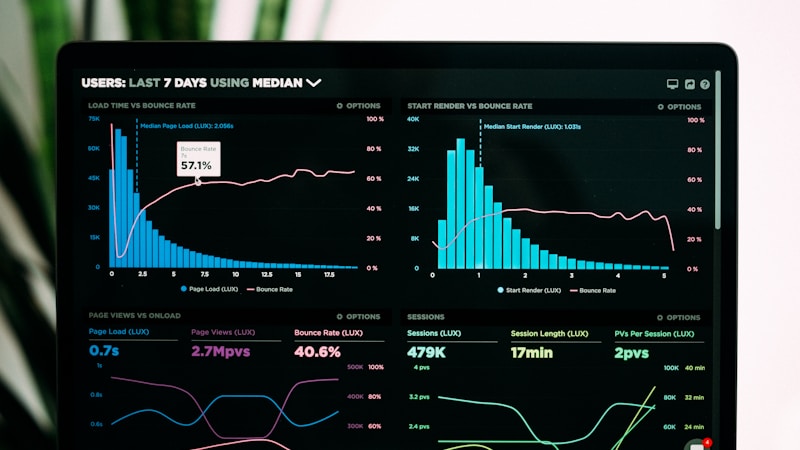
Regularly monitor your site's technical health using tools like Google Search Console
Creating SEO-Friendly Content
Here's the truth: content is still king in 2026. But it's not just about stuffing keywords into boring articles. Google's algorithms are smart enough to recognize quality, helpful content.
The E-E-A-T Framework
Google evaluates content based on E-E-A-T (yes, that's a lot of E's!):
- Experience – Show you've actually done what you're writing about
- Expertise – Demonstrate your knowledge and qualifications
- Authoritativeness – Build a reputation in your field
- Trustworthiness – Be accurate, cite sources, and keep content updated
This is especially important for "YMYL" (Your Money or Your Life) topics like health, finance, and legal advice.
Content Length: How Long Should Posts Be?
There's no magic number, but longer content (1,500-2,500 words) tends to rank better because it can cover topics more comprehensively. However, quality always beats quantity!
Ask yourself: "Does this fully answer the user's question?" If you can do that in 800 words, great! If it takes 3,000 words, that's fine too.
Writing for Humans (Not Just Robots)
Here's my golden rule: write for people first, optimize for search engines second. Google's algorithms are designed to reward content that genuinely helps users.
The Perfect SEO Content Formula
- Start with intent – Understand what users really want
- Hook them immediately – Your intro should promise value
- Use simple language – Write like you're explaining to a friend
- Break it up – Short paragraphs, bullet points, headers
- Add visuals – Images, videos, infographics keep people engaged
- End with action – Tell readers what to do next
Internal Linking
Don't forget to link between your own pages! Internal links help:
- Google discover and index all your pages
- Distribute "link juice" (ranking power) across your site
- Keep visitors on your site longer
- Establish topical authority
Aim for 2-5 internal links per blog post, using descriptive anchor text (the clickable words). Instead of "click here," use something like "learn more about keyword research."
Building Quality Backlinks
Backlinks (links from other websites to yours) are like votes of confidence. They're one of Google's top ranking factors. But here's the catch: quality matters way more than quantity!
What Makes a Good Backlink?
Not all links are created equal. A single link from a trusted, authoritative site in your industry is worth more than 100 links from random, low-quality sites.
Look for these qualities:
- Relevance – Links from sites in your industry
- Authority – Links from established, trusted websites
- Natural placement – Links within actual content, not sidebar spam
- Dofollow – These pass "link juice" (though nofollow links have value too)
White-Hat Link Building Strategies
Forget buying links or using sketchy tactics—they'll get you penalized! Here are legitimate ways to earn backlinks:
Create Link-Worthy Content
Original research, comprehensive guides, infographics, and free tools naturally attract links because they provide real value.
Guest Posting
Write quality articles for other websites in your industry. You get exposure, they get content—everyone wins!
Broken Link Building
Find broken links on other sites, then suggest your content as a replacement. It's genuinely helpful!
Digital PR
Get featured in news sites, podcasts, or industry publications by sharing expert insights or newsworthy stories.
Never buy links, participate in link schemes, spam blog comments, or use private blog networks (PBNs). Google's algorithm is smart—these tactics will hurt you in the long run!
Measuring Your SEO Success
You can't improve what you don't measure! Here are the essential tools and metrics every beginner should track:
Google Search Console (Free!)
This is your SEO command center. Google Search Console shows you:
- Which keywords you rank for
- How many clicks and impressions you're getting
- Technical issues on your site
- Which pages are indexed
- Manual penalties (if any)
Set this up FIRST. It's free and incredibly valuable!
Google Analytics (Also Free!)
While Search Console shows you search performance, Google Analytics tracks what happens after people land on your site:
- How long people stay on your pages
- Which pages are most popular
- Where your traffic comes from
- Conversion goals (sign-ups, purchases, etc.)
Key Metrics to Watch
| Metric | What It Means | What's Good? |
|---|---|---|
| Organic Traffic | Visitors from search engines | Steady upward trend |
| Click-Through Rate (CTR) | % of people who click your result | 3-5% average, 10%+ excellent |
| Bounce Rate | % who leave after one page | Under 60% is good |
| Average Session Duration | Time spent on your site | 2+ minutes is solid |
| Keyword Rankings | Your position in search results | Top 10 (first page) |
Track these monthly and look for trends. SEO is a long game—don't panic if you don't see immediate results!
"SEO is not something you do anymore. It's what happens when you do everything else right."
— Chad Pollitt, Co-Founder of RelevanceYour First Steps in SEO (Action Plan!)
Feeling overwhelmed? Don't worry! Here's a simple 30-day action plan to get you started:
Week 1: Foundation
- Set up Google Search Console and Google Analytics
- Ensure your site has an SSL certificate (HTTPS)
- Run a site speed test and fix major issues
- Check mobile-friendliness
Week 2: Keyword Research
- Brainstorm 10-20 topics related to your business
- Use keyword tools to find search volume and competition
- Create a list of 10 target keywords to focus on
- Analyze top-ranking pages for those keywords
Week 3: On-Page Optimization
- Optimize title tags and meta descriptions on key pages
- Add proper header tags (H1, H2, H3) to your content
- Optimize images (compress, add alt text)
- Add internal links between related pages
Week 4: Content & Monitoring
- Publish your first SEO-optimized blog post
- Submit your sitemap to Google Search Console
- Start tracking your keyword rankings
- Set up weekly/monthly reporting routine
Ready to Dominate Google?
You've got the knowledge—now it's time to take action! Remember, SEO is a marathon, not a sprint. Stay consistent, keep learning, and watch your rankings grow.
Get Your Free SEO ChecklistCommon Beginner Questions
Q: How long does SEO take to work?
A: Typically 3-6 months for new sites, sometimes faster for less competitive keywords. Patience is key!
Q: Can I do SEO myself, or do I need an agency?
A: You can absolutely do basic SEO yourself, especially in the beginning! As you grow, you might want expert help for advanced strategies.
Q: Is SEO dead because of AI?
A: Not at all! AI is changing how we create and optimize content, but the fundamentals remain the same. People still use search engines, and Google still needs to decide which results to show.
Q: What's more important: on-page or off-page SEO?
A: You need both! Think of on-page SEO as making sure your house is clean and organized, while off-page SEO (backlinks) is like getting good reviews from your neighbors.
Q: How often should I publish new content?
A: Quality over quantity! One amazing post per month beats four mediocre ones. Aim for consistency—whether that's weekly, bi-weekly, or monthly.
You've just completed a comprehensive SEO guide for beginners! You now know more about SEO than 90% of website owners. The question is: what will you do with this knowledge?
Final Thoughts
SEO might seem complex at first, but at its core, it's really about creating a great website that provides real value to people. Google's job is to show the best results—your job is to become one of those results!
Start small, stay consistent, and don't get discouraged by slow progress. Every ranking improvement, every new visitor, and every conversion is a win worth celebrating.
Remember: the best time to start SEO was yesterday. The second-best time is right now. So what are you waiting for? Pick one thing from this guide and implement it today!
Happy optimizing! 🚀
